
You publish a strong guide, watch it climb the rankings, and still find that an answer engine cites a narrower page from somewhere else. That's the frustrating part of modern search. A page can be visible in traditional results yet miss the hidden questions an AI system uses to build its response.
Most query advice still assumes a list of blue links. Answer engines skip that page, so the work starts earlier: how a model reads your page, which intent it matches, and which sources it trusts enough to cite. The eight query optimization examples below follow that chain one tactic at a time, with the reasoning behind each change.
The useful test is simple. Record the starting prompt or page, change one thing, then watch what happens across answer engines. Track citations, mentions, source pages, and the subqueries generated behind the original prompt. If visibility doesn't move, the tactic may have failed, or the page may not have been the actual bottleneck.
1. Indexing Strategy Optimization
A page can't earn an AI citation if an answer engine can't discover, interpret, or retrieve it. Traditional indexing still matters, but answer systems also need clear context. A product documentation page buried behind vague navigation gives a model less usable evidence than a page with a precise title, descriptive headings, visible authorship, and connected supporting content.
Start with one page that rarely appears in AI answers. Record the prompts where you expect it to help, then inspect whether the page is crawlable, internally linked, and clearly associated with the relevant product or entity. Add structured data where it accurately describes the content. FAQPage markup can clarify question-and-answer content, while Article markup can reinforce authorship and publication details for editorial pages.
Before and after
Before: A software feature page contains a long narrative, weak internal links, and no clear question headings. The page may rank for a broad product term, but it doesn't directly answer the practical questions buyers ask.
Change: Rewrite the page around distinct questions, connect it to related documentation, make author and update information visible, and add only schema that matches the page. Don't use markup as a substitute for useful content.
Track: Compare citations for the target prompts, the pages cited, and the models producing those citations. Llumo's citation analysis can help identify pages already referenced, while per-prompt visibility shows whether the change affected the prompts that matter.
Practical rule: Improve the pages that already sit close to the answer first. Indexing work has little value if the content still doesn't resolve the user's question.
This tactic fails when teams add schema but leave unclear copy, blocked resources, or thin answers in place. It also fails when they judge success by crawling alone. Retrieval is the outcome to watch, not the presence of markup in a source file.

2. Query Intent Matching and Content Alignment
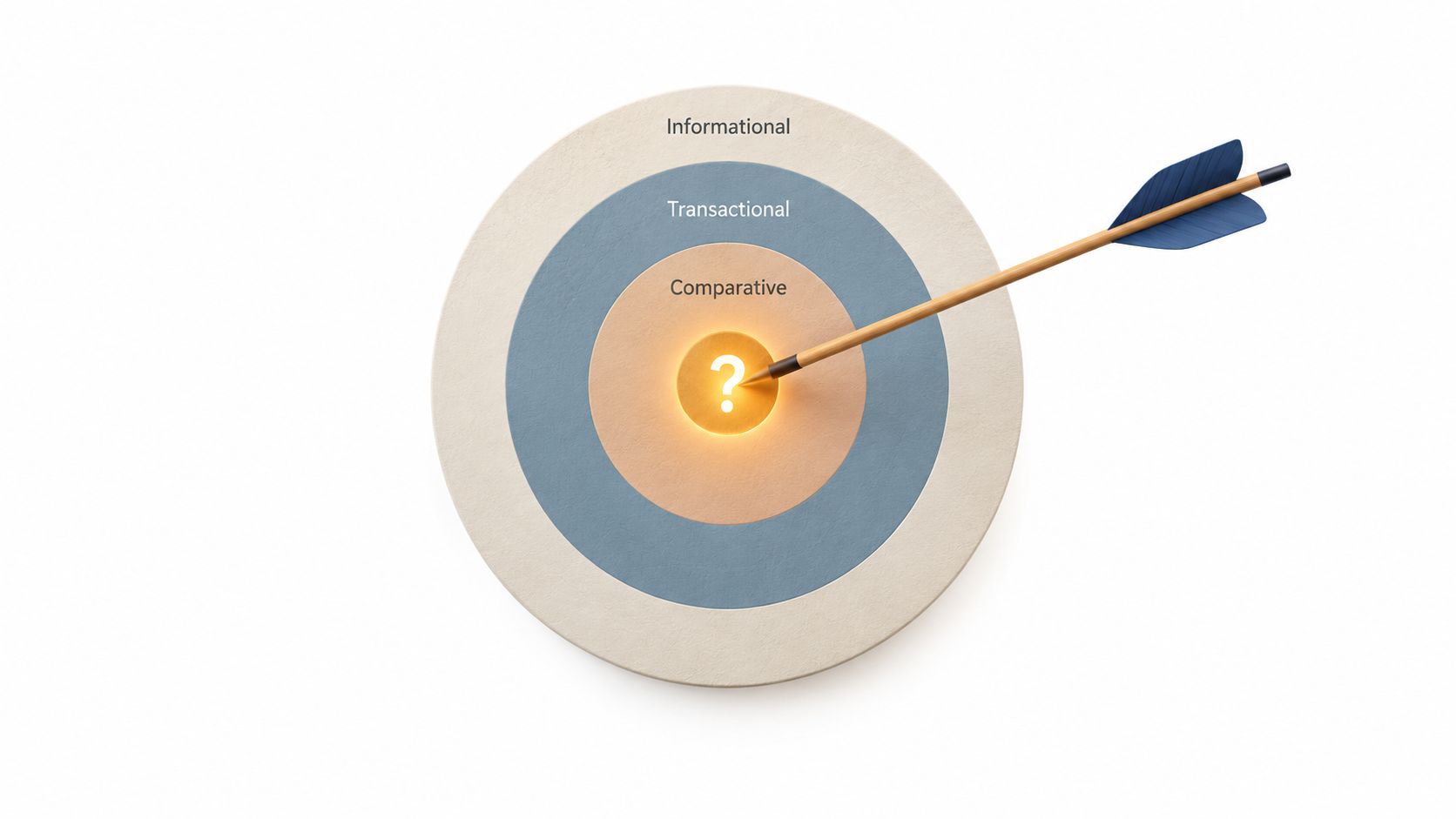
A page can contain the right keyword and still answer the wrong question. Someone asking for the best database monitoring tool may want a shortlist, while another person wants compatibility details, implementation effort, or evidence from a similar environment. Answer engines often expand the prompt into these narrower needs before composing a response.
Take a page that targets “best treatment for X” or “best alternative to a competitor.” Don't optimize only the visible phrase. Map the likely follow-up questions, then decide whether one page can answer them cleanly or whether each intent deserves its own page.
Before and after
Before: A SaaS comparison page lists features and ends with a product pitch. It matches the head term but gives little help with migration, pricing logic, integrations, or the situations where each option fits.
Change: Add sections for use cases, constraints, compatibility, alternatives, and decision criteria. Use query fan-out logging to see which related searches AI systems generate behind the answer. Llumo's query fan-out analysis is useful here because it exposes the intent branches hidden behind a single prompt.
Track: Measure citations for the original prompt and each important subquery. Compare which page answers each branch, whether the same source is cited repeatedly, and whether your brand appears in the final answer rather than only in a supporting search.
A page should earn its place by resolving the exact uncertainty behind the query. That doesn't mean writing an enormous article. It means covering the decision points that cause the engine to search again.
This approach fails when teams force every related question onto one page. A comparison page that becomes a product manual loses focus. It also fails when teams copy generated subqueries without checking whether they represent real customer intent. Use the logs as evidence, not as a replacement for editorial judgment.
3. Citation Source Diversification
One page rarely carries an entire brand's credibility. An answer engine may cite your research report for a data point, an industry interview for expertise, and a documentation page for a technical detail. If all your useful information sits on a homepage, the system has fewer reasons to reference you.
Start with a prompt where your brand is mentioned but your deeper assets aren't cited. Then inspect which domains and page types appear in competing answers. A useful diversification plan might include original research, detailed documentation, expert commentary, and independent coverage. Each asset should add a distinct reason to cite the brand.
Before and after
Before: Your homepage appears for broad product questions, but your research, customer education, and expert content never surface.
Change: Publish a substantial primary source on a topic your audience asks about. Support it with an explanatory article and make relevant subject-matter experts available for third-party coverage. Don't create several versions of the same promotional page. Give each asset a different evidential role.
Track: Record cited domains, cited URLs, model coverage, and lost citations. A citation dashboard can show whether your coverage is concentrated on one page or spreading across research, editorial, and reference content. The guide to getting cited by AI is a useful reference for thinking about this source mix.
A stronger citation portfolio gives an answer engine more than one defensible path to your brand.
This tactic fails when “diversification” means publishing low-value content everywhere. More domains don't automatically create more trust. It also fails when third-party coverage mentions the company but provides no specific expertise, evidence, or useful context. Build assets that can stand on their own.
4. Answer Format and Structure Optimization
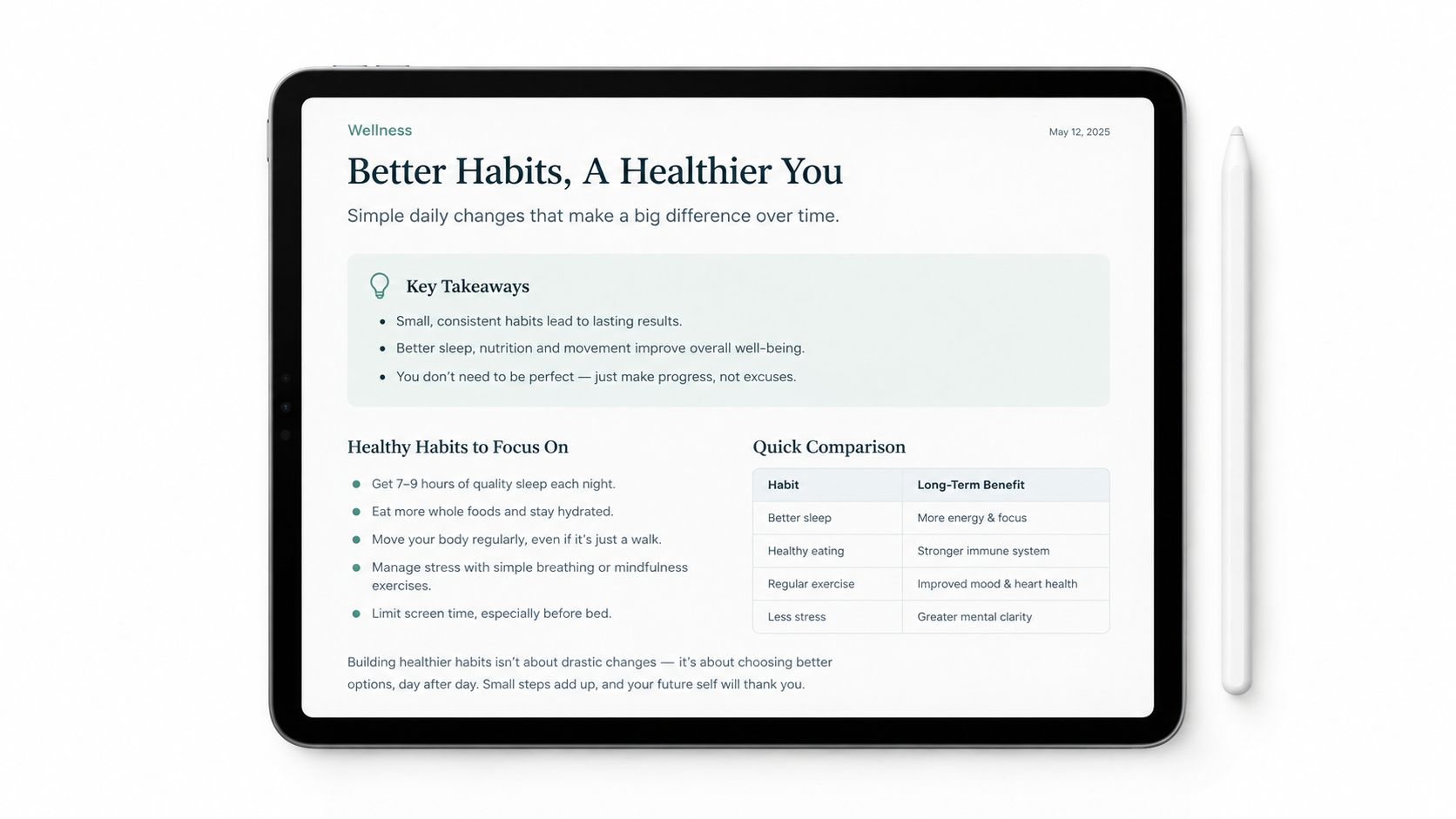
Format affects what a model can extract accurately. A long narrative may contain the answer, but a concise definition, specification list, comparison, or numbered procedure gives the system cleaner material to summarize. Readers benefit too, especially when they're trying to make a decision quickly.
Choose an existing page that gets impressions but few citations. Save the current response examples, then mark where competing pages make their answers easier to lift. Look for clear definitions, direct answers, short explanations, tables, and steps. The best structure depends on intent. A tutorial needs sequence. A product comparison needs consistent criteria. A reference page needs precise definitions.
Before and after
Before: A review opens with several paragraphs of scene-setting, scatters specifications throughout the article, and leaves the recommendation until the end.
Change: Put a concise summary near the top, group key specifications together, and explain the recommendation using consistent criteria. For a tutorial, number the steps and state prerequisites before the procedure. Keep the prose that adds judgment, but remove the hunt for basic facts.
Track: Review prompt-level archives to see what each model cites and which passage it uses. Compare citations for the reformatted page against similar prompts, not just one response. Watch whether the page is cited for the complete answer or only for a minor detail.
A clean format won't rescue weak evidence. It can, however, make strong evidence easier to retrieve and less likely to be misrepresented.
The tactic tends to fail when every page receives the same template. A glossary, buyer's guide, and implementation tutorial don't need identical layouts. It also fails when teams copy competitor formatting without improving the underlying explanation. Use structure to expose judgment and evidence, not to make thin content look organized.
5. Competitive Share of Voice Targeting
Broad visibility is a poor work queue. A better starting point is a specific prompt where a competitor appears repeatedly and your brand doesn't. That gives the team a defined problem, a known comparison set, and a clear way to judge whether the update helped.
Take an “MSP comparison” or enterprise software alternatives prompt. Read the answer, record every cited source, and identify the missing decision criteria. A competitor may win because its page explains implementation risk, not because it repeats the category keyword more often.
Before and after
Before: Your brand has a general category page, while a competitor owns a focused comparison guide. The competitor answers who each option suits, where each product falls short, and what a buyer should verify before switching.
Change: Create or improve a comparison page around verifiable criteria. Name the circumstances where your product isn't the best fit. Include compatibility, support model, migration requirements, and evidence that helps a buyer make a decision. Honest limitations often make the page more useful than another feature list.
Track: Monitor mentions, citations, and share of voice for a defined competitor set. The share of voice guide explains why the metric works best when tied to a specific market and query group.
Use lost citations as a recovery queue. If a page recently disappeared from an answer, compare the current response with the archived version. The model may have changed sources, or a competitor may have added fresher evidence.
This tactic fails when teams attack every competitor at once. It also fails when the comparison is disguised advertising. Answer engines and readers both have reasons to distrust pages that omit material drawbacks. Target winnable prompts, then make the page genuinely more useful than the source you're trying to replace.
6. Authority Signal Building and E-E-A-T Optimization
Matching intent gets a page considered. Authority signals help answer engines decide whether it deserves citation. This matters most in areas where inaccurate advice can cause financial, health, safety, or operational harm.
Start with a page that covers the subject well but rarely appears as a source. Compare it with cited pages. Look for visible authorship, relevant credentials, review processes, primary evidence, links to supporting research, and a clear explanation of how the information was produced. These signals should reflect real expertise. They shouldn't be decorative badges.
Before and after
Before: An article gives useful financial guidance but has no named author, no editorial review information, and no explanation of the evidence behind its recommendations.
Change: Add an accountable author profile, explain the review process, cite primary sources, and distinguish expert interpretation from general information. For a research report, document the methodology and limitations. For a health article, make qualified review visible where appropriate.
Track: Compare model citations before and after the update, then inspect whether the citation attaches to the article, author page, or external source. A visibility platform such as Llumo can help archive those responses across models, but the editorial work must happen on the page.
Credentials matter most when they connect to the claim being made. A generic author bio won't compensate for unsupported advice.
This tactic fails when teams add credentials without improving accuracy. It also fails when they treat E-E-A-T as a score to manipulate. An answer engine can cite a page with a credentialed author, but readers will still notice weak methodology, missing sources, or overconfident conclusions.

7. Topical Cluster and Semantic Cohesion Strategy
A single article can answer one question. A connected group of pages can demonstrate that your organization understands the surrounding problem. That distinction matters when an AI answer engine decomposes a prompt into several related searches.
Begin with a pillar page that makes the main concept clear. Then map supporting pages around the subtopics customers ask about. For sustainable fashion, that might include materials, manufacturing, certifications, care, and brand comparisons. For database performance, it might include execution plans, indexes, statistics, joins, and workload monitoring.
Before and after
Before: A site has several useful articles, but they aren't connected. The pillar page is broad and vague, while specialist pages compete with one another or remain isolated.
Change: Give each page a defined job. Link from the pillar to the supporting explanations and back where the relationship is useful. Align terminology, entities, and definitions. Cover the subqueries that appear repeatedly in fan-out logs, but don't publish a page merely because it contains a related phrase.
Track: Compare prompt visibility for the pillar and cluster pages separately. Record which pages answer engines cite for broad prompts, which handle narrow questions, and whether multiple pages from the cluster appear in one response. Competitor trend data can show where other sites are expanding their coverage.
The strongest clusters aren't large for their own sake. They're coherent. A focused group of authoritative pages is easier to maintain than a warehouse of loosely related articles.
This approach fails when internal links are added mechanically. It also fails when the pillar page repeats every detail from the supporting pages. Give the central page a useful overview and decision framework, then let the cluster pages provide depth.
8. Real-Time Monitoring and Rapid Response Optimization
AI visibility changes when prompts change, sources are refreshed, or competitors publish better evidence. A page that earns citations today may lose them after a competitor updates pricing, specifications, or research. Monitoring turns that shift into a work item instead of a surprise in a sales call.
Pick a small set of priority prompts and record the current answer, cited URLs, competing brands, and the specific claims your page supports. Check them on a regular schedule. When a citation drops, inspect the response archive before editing the page. The model may have switched sources without any change to your content.
Before and after
Before: A travel page answers “best flight deals” with dated information. A competitor publishes newer pricing guidance, and the competitor becomes the source cited by the answer engine.
Change: Refresh the data, explain the date of the update, and improve the page's evidence and eligibility criteria. For an emerging “alternative to a competitor” prompt, publish a focused comparison while the intent is still developing.
Track: Monitor citation rate, cited pages, competitors, and query trends. Prompt-level archives help separate a content problem from a model or retrieval change. The guide to brand monitoring for AI results covers the operational side of watching these changes.
A rapid response doesn't mean rushing unreviewed copy live. It means having a clear owner, a reliable evidence source, and a short path from detection to update.
This tactic fails when teams stare at dashboards without a decision rule. Define which losses deserve investigation, which opportunities fit the editorial calendar, and which changes require subject-matter review. Monitoring is useful only when it produces a measured action.
8-Point Query Optimization Strategy Comparison
Technique | 🔄 Implementation Complexity | ⚡ Resource Requirements & Speed | 📊 Expected Outcomes (Quality ⭐) | 💡 Ideal Use Cases | ⭐ Key Advantages |
|---|---|---|---|---|---|
Indexing Strategy Optimization | Medium–High, technical site structure & markup | Moderate dev/SEO effort; slow to compound | Improved discoverability and citation potential; ⭐⭐⭐⭐ (gradual) | Sites needing better crawlability (product docs, news) | Works with traditional SEO; broad multi-model visibility |
Query Intent Matching & Content Alignment | Medium, analysis + tailored content | Ongoing analytics + content updates; moderate speed | Higher share of voice for matched intents; ⭐⭐⭐⭐ | Brands targeting specific query intents or comparisons | Directly aligns content with AI query patterns; reduces competition |
Citation Source Diversification | High, coordination across domains & channels | High (PR, research, multi-channel publishing); slow build | Broader, more resilient citation footprint; ⭐⭐⭐⭐ | Organizations seeking multi-source authority & resilience | Multiple citation pathways; compounding credibility |
Answer Format & Structure Optimization | Low, formatting and structural edits | Low effort; fast to implement and measure | Immediate improvement in extractability and citations; ⭐⭐⭐⭐⭐ (quick) | Tutorials, reviews, FAQs, data-heavy pages | Quick wins; improves UX and AI extractability |
Competitive Share of Voice Targeting | Medium, analytics + targeted content work | Moderate resources; medium speed to impact | Targeted SOV gains with clear ROI; ⭐⭐⭐⭐ | Competitive markets where specific queries matter | Prioritizes high-impact, defensible wins |
Authority Signal Building (E‑E‑A‑T) | High, credentials, research, long-form content | High investment; slow but durable returns | Strong cross-model trust and higher citation likelihood; ⭐⭐⭐⭐⭐ (long-term) | Regulated or expert-driven industries (health, finance) | Builds hard-to-replicate moat; boosts human and AI trust |
Topical Cluster & Semantic Cohesion Strategy | High, planning, mapping, and restructure | Significant content creation; medium–long term speed | Compound topical authority and multiple mentions; ⭐⭐⭐⭐⭐ | Brands aiming for topic leadership and depth | Signals topical depth; each piece supports others |
Real‑Time Monitoring & Rapid Response Optimization | Medium, tooling + operational processes | Continuous monitoring resources; enables fast action | Faster recovery and first-mover gains; ⭐⭐⭐⭐ | High-velocity sectors (news, travel, pricing) | Early detection and actionable alerts to protect visibility |
Turn These Examples Into a Weekly Test Plan
Don't treat query optimization as a single rewrite project. Treat it as a sequence of controlled tests. Each test should begin with a prompt or page that matters, a clear reason for changing it, and a small set of observations that can confirm or reject the theory.
Pick one tactic this week. Record how your brand appears for five to ten priority prompts, including the cited pages, competitors, answer-engine wording, and the subqueries visible behind the response. Save the baseline before anyone edits the page. Without that record, teams tend to remember the intended change and forget what moved.
Then make one meaningful change. Add the missing comparison criteria, restructure the answer, strengthen the evidence, connect the cluster pages, or refresh the source material. Don't combine all eight tactics in one rewrite. If visibility improves, you'll want to know why. If it doesn't, you'll need to distinguish a failed tactic from a page that wasn't retrieved, a prompt that changed, or a model that selected another source.
Check again after a few weeks, using the same prompts and comparable conditions. Look beyond whether the brand was mentioned. A passing reference on a secondary question isn't the same as being cited for the main recommendation. Track which page was cited, which claim it supported, which model used it, and whether competitors gained or lost ground.
The best next test usually comes from the failure itself. If a page ranks well but never appears in answers, investigate format, authority, and hidden intent. If it appears for broad prompts but not narrow ones, build supporting pages. If several models cite a research asset but ignore the commercial page, improve the connection between evidence and product relevance.
Llumo can support this workflow with per-prompt visibility, query fan-out logs, citation analysis, response archives, and competitive trends across AI answer engines. Use it as a measurement layer, not as a substitute for judgment. Your team still has to decide whether a claim is accurate, whether a comparison is fair, and whether the page helps a real buyer.
Start with one prompt group, one page, and one hypothesis. Document the baseline, make the change, and review the result with the person responsible for content and the person responsible for the business outcome. That rhythm will teach you more than a large batch of untracked edits.
Llumo helps teams measure how answer engines mention and cite their brands, inspect generated query expansions, and compare visibility across models. Use Llumo to turn these query optimization examples into tracked tests with prompt archives, citation sources, and competitive trends.