
The most feature-packed SEO suite isn't automatically the best choice for an agency. A platform can offer keyword research, audits, backlinks, content tools, and reporting, yet still become awkward when every client needs separate locations, devices, competitors, keyword groups, refresh schedules, and branded deliverables.
The better question is operational: how many clients and keywords do you manage, how often must rankings refresh, how precise do locations need to be, and how much reporting can you automate? A specialist tracker may handle those jobs more cleanly than an all-in-one platform. An enterprise system may justify its complexity when APIs, data pipelines, and market intelligence matter more than a simple client dashboard.
This comparison focuses on the work agencies repeat: workspace separation, historical data, location depth, integrations, API access, white-label reporting, and pricing that remains workable as accounts grow. The broader keyword rank-tracking software category was estimated at USD 1.5 billion in 2025, with projected growth at a 15% CAGR through 2033, which reflects ongoing demand for position monitoring and client reporting infrastructure (market overview of keyword rank-tracking software).
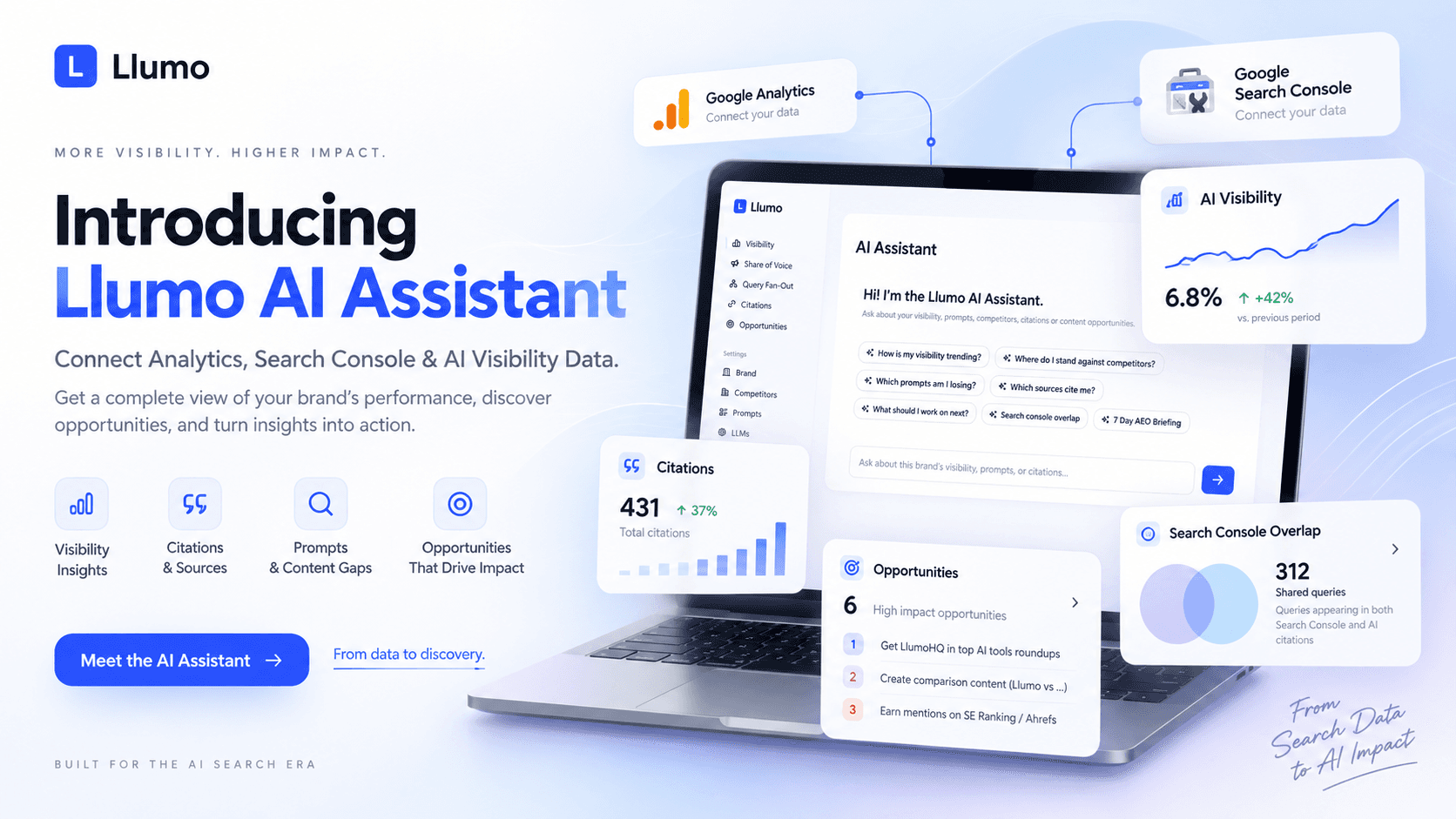
Llumo belongs in this list for a specific reason. It isn't a replacement for traditional SERP rank tracking. It fits agencies that also need to measure how AI answer engines mention brands, surface competitors, and cite sources.
1. Llumo
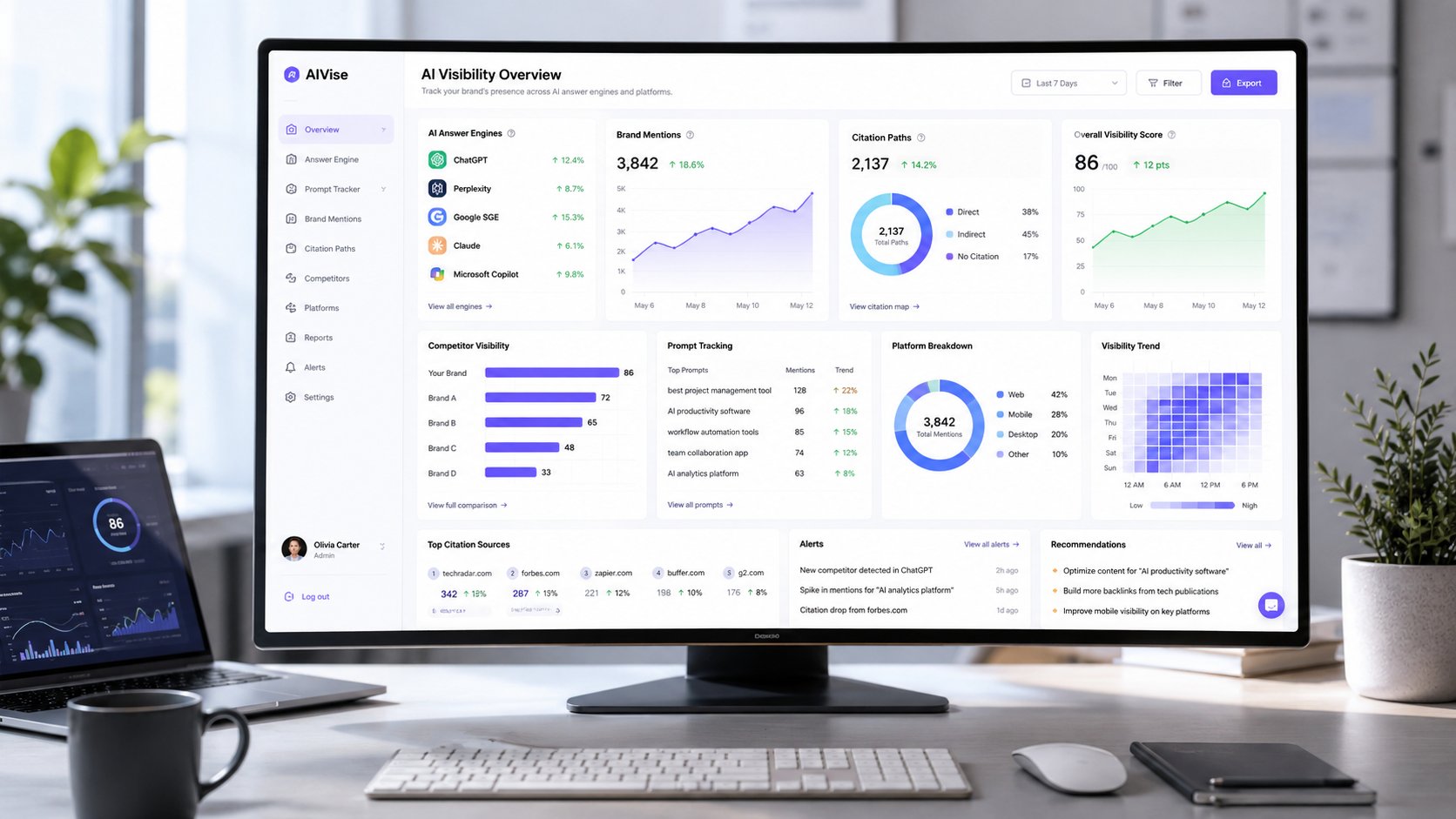
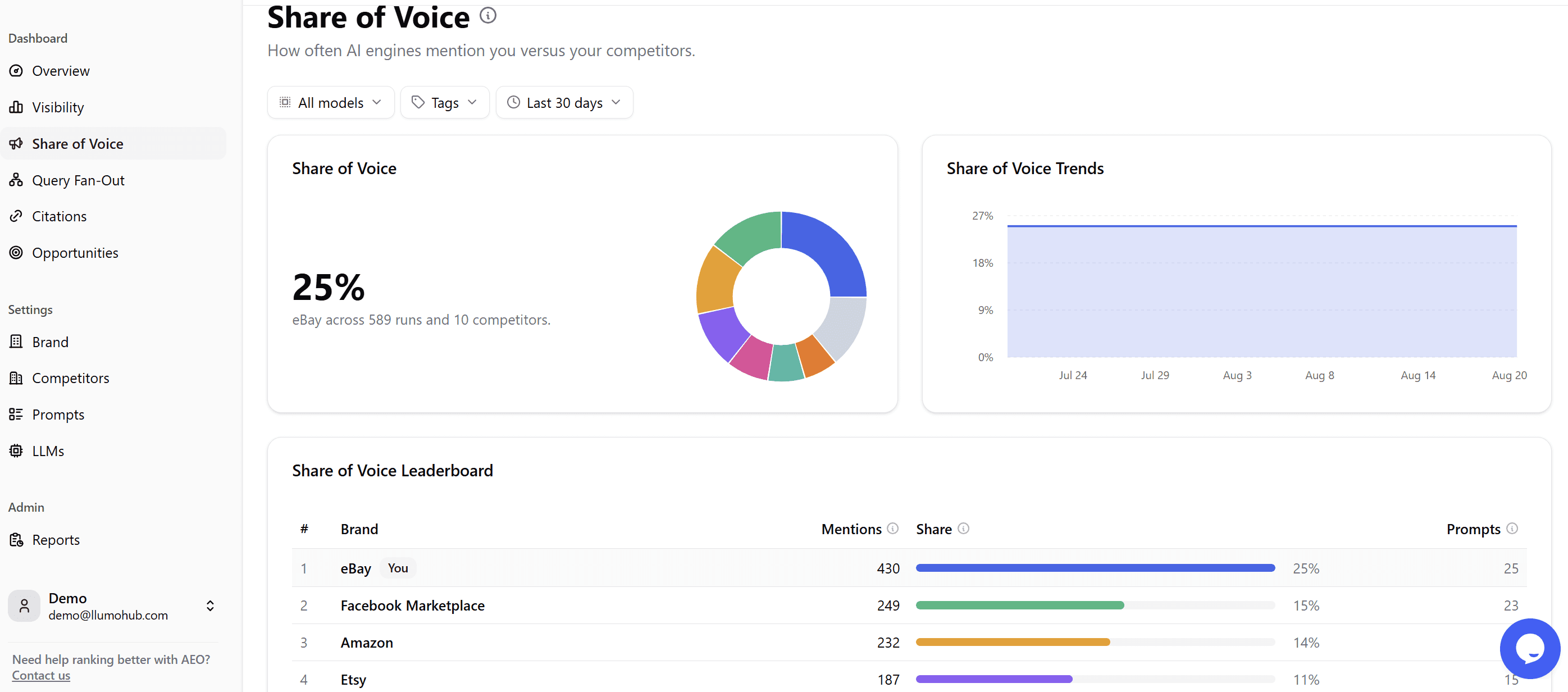
Llumo measures AI answer-engine visibility rather than conventional keyword positions. For agencies, the distinction matters when a client's brand appears in ChatGPT, Claude, Gemini, Grok, Mistral, DeepSeek, Perplexity, Copilot, or Google AI Overviews, but no traditional rank report explains the change. Teams can review prompt-level visibility, competitor mentions, cited domains, and shifts in the sources used by model responses.
The response archive supports monthly client reporting. A strategist can compare which brands appeared, which pages or domains were cited, and how an answer changed over time. Llumo also records generated queries, query expansions, and keyword fan-outs, giving the team a clearer starting point for updating a client page or building third-party mentions.
For a multi-brand account structure, separate client workspaces and tagged prompts help keep research and reporting distinct. A team can show one client's citation changes without mixing them with another brand's prompts, then use competitive benchmarks to explain why visibility moved. Custom branding, a custom subdomain, and hosted-instance options support white-label delivery, although agencies should confirm which setup fits their reporting process.
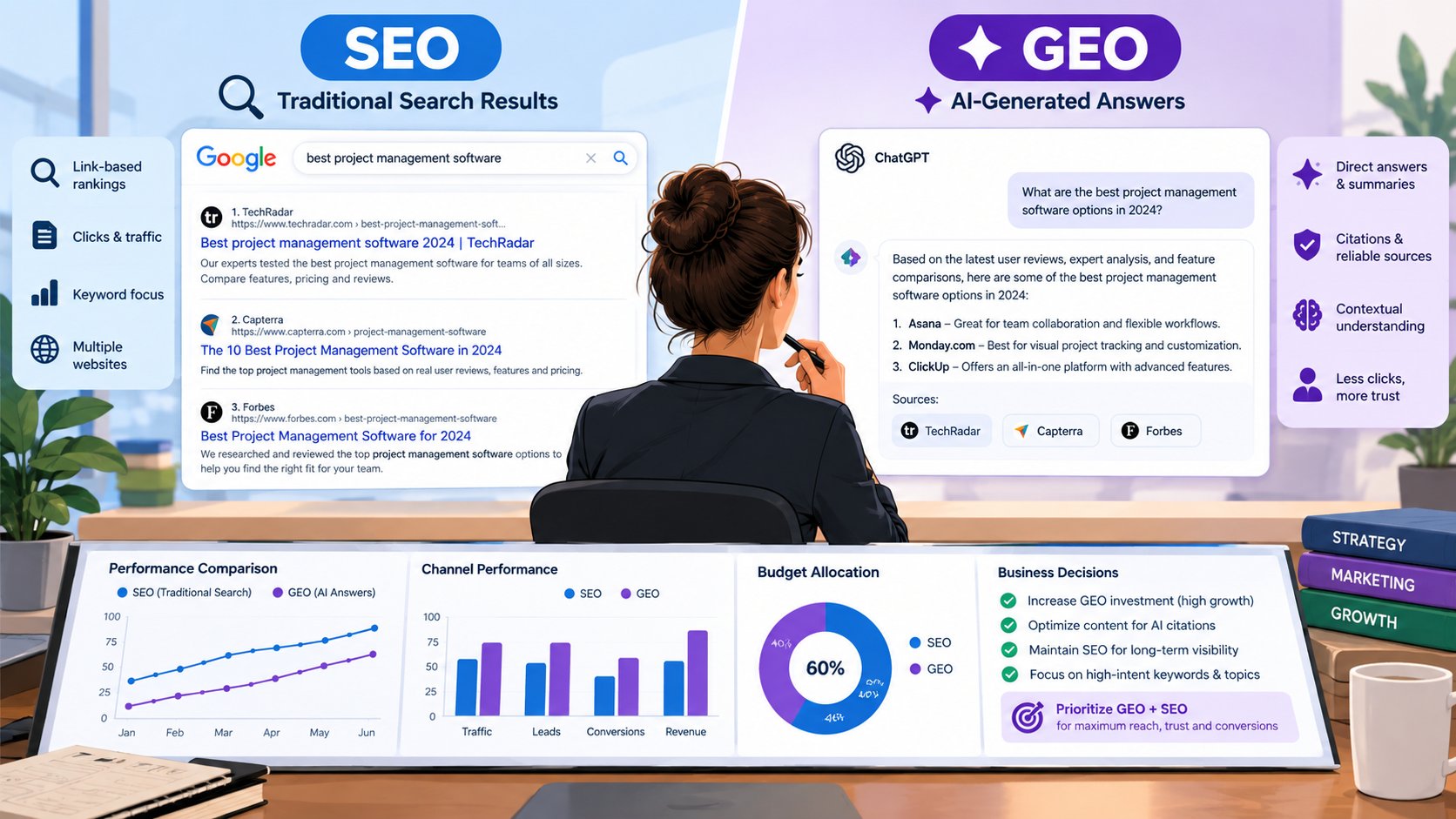
Agency fit: Use Llumo beside a traditional rank tracker when a client asks, “Why does ChatGPT recommend a competitor?” It cannot show where a page ranks for a Google keyword, but it can identify sources influencing an AI answer.
The commercial model shifts the cost discussion. Llumo has no software license fee for the core platform. Customers connect their own provider API keys and pay those providers directly, without Llumo usage markup. Agencies still need to control quotas and budgets, because response volume affects provider spend. Public materials do not list fixed license pricing, testimonials, awards, or certifications. Agencies comparing AEO platforms can also review this guide to AI visibility trackers for SEO and marketing agencies.
2. AccuRanker
AccuRanker is a strong fit when an agency's main requirement is fresh, dependable rank data at scale. Its rapid refresh options are useful for teams that monitor ranking changes during launches, diagnose sudden movement, or want more current information than a scheduled daily check provides. Daily tracking across locations and devices covers the standard agency workload without forcing the team into a broad SEO suite.
Reporting is one of its practical strengths. Agencies can create branded client reports, use white-label options, and connect data through the API for internal dashboards or automated workflows. That combination matters when account managers need client-ready summaries while analysts want raw data in another system.
The keyword-based pricing structure is straightforward to understand, but it creates the main scalability concern. Costs rise as an agency adds client keywords, locations, devices, and more frequent refreshes. A small portfolio may be easy to manage, while a large collection of local campaigns can require careful forecasting before migration.
AccuRanker also includes an AI Search Volume model that combines Google Search Console and trends data to improve volume estimates. Treat that as supporting context rather than a substitute for conversion and revenue data. Rank movement only becomes useful when the agency can connect it to the page, intent, market, and business outcome involved.
Practical rule: Test the largest client portfolio, not the easiest one. A tracker that feels affordable for a handful of accounts can become expensive once refresh frequency and location coverage expand.
For agencies that value speed, API access, and polished reporting more than an all-in-one feature set, AccuRanker is one of the cleaner specialist choices. Large deployments should still confirm current pricing and volume terms directly.
3. STAT Search Analytics
STAT Search Analytics is built for agencies and enterprise teams handling large keyword portfolios across markets. It's less about a lightweight dashboard and more about structured SERP intelligence, segmentation, and data delivery. Fresh daily rankings include SERP features, search volume, and CPC, giving analysts more context than a bare position number.
Its strongest agency use case is a complex account structure. Local and mobile tracking, detailed segmentation, and SERP feature visibility help teams separate branded demand from commercial, informational, and local groups. That makes it easier to explain why a client's visibility changed without mixing different search intents into one report.
The API is important here. Agencies with BI systems or internal reporting layers can move STAT data into those environments rather than relying on manual exports. That's a better fit for a mature operation with established data governance than for a small team looking for an immediately simple reporting portal.
The trade-off is onboarding. STAT has an enterprise-style interface and a steeper learning curve than many specialist trackers. Account managers may need more training, and analysts must define naming conventions, segments, and reporting logic before the data becomes consistently useful across clients.
STAT makes sense when the agency's problem is not “Can we check rankings?” but “Can we organize and distribute a large, segmented SERP dataset without losing context?”
Custom pricing and enterprise packaging also mean buyers should speak with sales before assuming the platform fits their budget. It's a powerful choice for scale and deep analysis, but unnecessary complexity for an agency that mainly needs daily positions and branded PDFs.
4. Advanced Web Ranking
Advanced Web Ranking has a particularly strong agency profile because it treats reporting as a central workflow, not an afterthought. It supports unlimited projects and users, granular local tracking, SERP snapshots, alerts, and detailed reporting. Agencies managing many clients can give strategists, account managers, and clients access without building their process around individual seats.
The white-label layer is one of its clearest advantages. Custom subdomains, branding, SMTP, and branded email delivery let the agency control the client-facing experience. That matters because a report isn't just an export of data. It's part of the service the agency delivers and the way clients judge whether the agency has a reliable process.
Local precision is another reason to consider AWR. City and geographic tracking can expose differences that disappear in national averages, while SERP snapshots preserve useful evidence for explaining changes. Agencies working with franchises, service-area businesses, or location-sensitive campaigns can make better use of that depth than teams running only broad national campaigns.
AWR now also includes AI visibility metrics alongside traditional ranking data. That makes it more relevant to agencies trying to keep classic SERP reporting and emerging AI-answer monitoring in the same operational conversation. It still shouldn't be treated as identical to a dedicated AEO platform. Agencies should compare the exact AI measurement depth they need before consolidating tools.
The main limitation is its specialist focus. AWR isn't a full replacement for the research, backlink, and broader SEO workflows found in platforms such as Semrush or Ahrefs. Exact tiers and limits should also be confirmed for the agency's keyword, location, reporting, and API requirements. For more context on combining conventional rank data with AI-answer signals, see this guide to AEO tracking tools.
5. SE Ranking
SE Ranking works well for small and mid-sized agencies that want rank tracking inside a broader, relatively accessible SEO platform. Daily tracking covers search engines, locations, and devices, while local and Maps tracking supports campaigns where geographic visibility matters. Client tools and reporting features help agencies move beyond internal analysis and into repeatable delivery.
Its packaging is the main attraction. An agency can start with core SEO functions and add capabilities such as the Agency pack, API access, Looker Studio connectivity, or AI visibility as its client base and reporting needs develop. That flexibility is useful when the agency doesn't yet know whether every account needs enterprise-level data infrastructure.
Looker Studio integration is particularly practical for teams already using Google's reporting environment. It can reduce manual report assembly, although the quality of the final client experience still depends on how carefully the agency designs filters, branding, commentary, and account-level permissions.
The limitations show up in depth and add-on costs. Some teams may find the ranking and SERP data less detailed than what higher-priced specialist or enterprise products provide. Agency, API, and AI visibility capabilities also sit outside the core plan, so the starting price won't represent the complete cost of a mature agency workflow.
The low-entry plan only tells you how easy it is to start. Price the finished workflow, including client access, API usage, reporting, and AI visibility if those are part of your offer.
SE Ranking is a sensible choice when one platform needs to cover rank tracking and other day-to-day SEO tasks without the cost or complexity of an enterprise system. Agencies with demanding segmentation, very large keyword portfolios, or highly customized data pipelines may eventually outgrow its depth.
6. Semrush Position Tracking
Semrush Position Tracking is best when the agency already wants a wider marketing and SEO system. Rank tracking sits alongside keyword research, site audits, backlink analysis, competitor research, and reporting, so strategists don't need to move between as many separate tools.
The tracking module supports daily rankings, multiple targets, local pack monitoring, and Share of Voice. Connections with Google Analytics 4 and Google Search Console help teams add traffic and performance context to position data. Its report builder is also useful for agencies that want a consistent client deliverable built from more than rankings alone.
The downside is cost efficiency. If rank tracking is the agency's primary requirement, paying for the broader suite can be difficult to justify compared with a specialist tracker. The platform's tracked-keyword and project limits depend on the selected plan, so agencies should model each client portfolio instead of choosing based on the headline plan.
Semrush makes the most sense when research and reporting already happen there. An agency that uses another platform for keyword discovery and links may gain less from consolidation, especially if its clients mainly want a simple monthly ranking report.
AI visibility options can be included when bundled, but agencies should define whether they need basic AI monitoring or detailed prompt and citation analysis. Those are different reporting jobs. For teams investigating Perplexity specifically, this overview of a Perplexity rank tracker provides useful context before choosing a broader or specialist setup.
A practical evaluation should ask whether the suite reduces handoffs. If analysts still export ranking data, rebuild dashboards, and manually explain SERP features, the all-in-one promise hasn't solved the agency's operational problem.
7. Ahrefs Rank Tracker
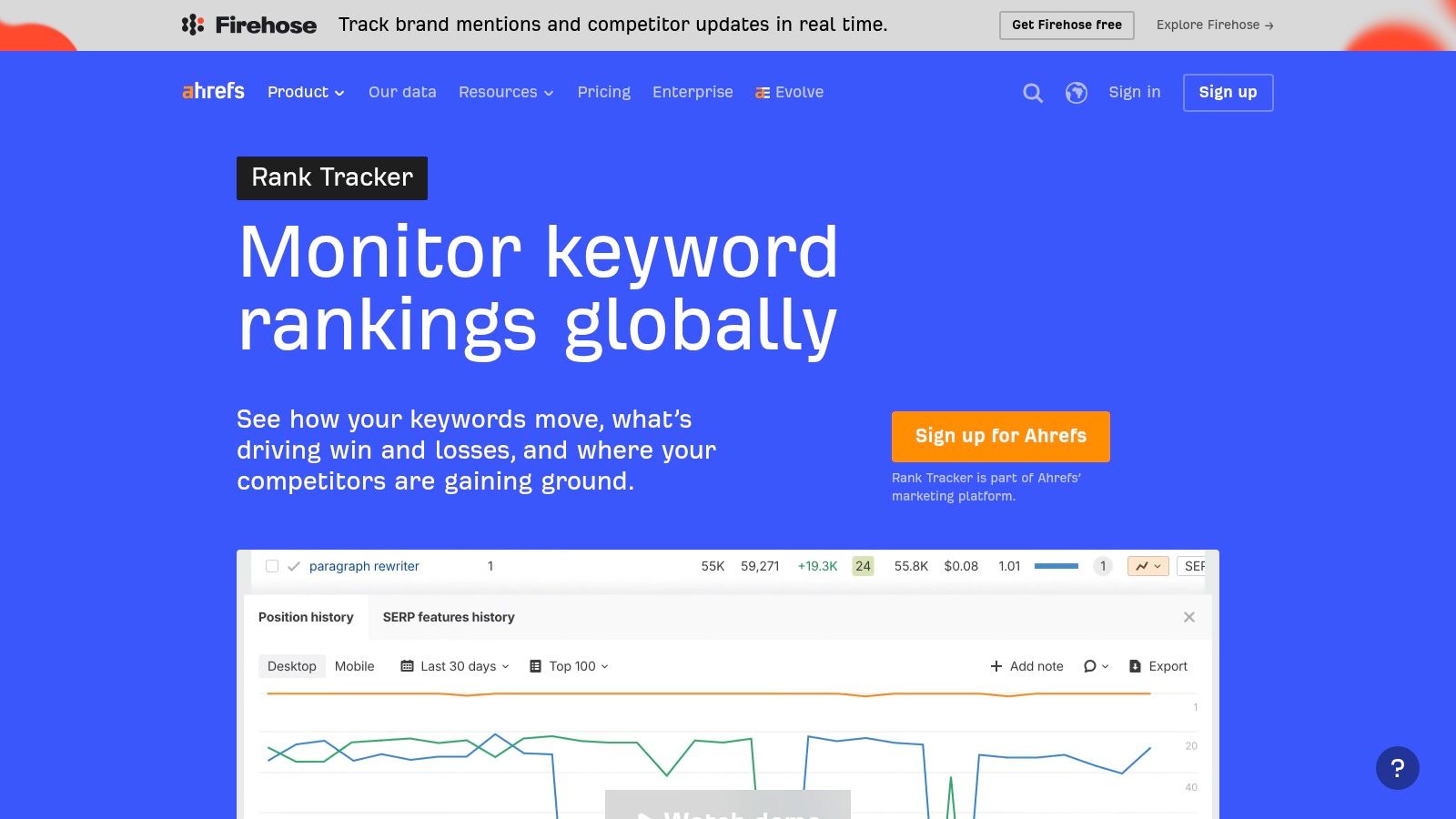
Ahrefs Rank Tracker is a natural choice for agencies that already use Ahrefs for keyword research, competitor analysis, and backlink work. Its rank-tracking module connects those datasets, which helps analysts investigate whether ranking movement aligns with content changes, competitor activity, or link development.
The tracker supports desktop and mobile monitoring across approximately 190 locations, as described in the product plan notes. It also includes Share of Voice, Traffic Value charts, SERP feature tracking, tags, segments, project notes, and competitor tracking. Those views can make client storytelling easier because the team can show ranking movement alongside broader search opportunity and competitive context.
That integration is both the advantage and the constraint. Agencies invested in Ahrefs can keep research and reporting in one environment. Agencies buying Ahrefs mainly for positions may find the total cost harder to defend than a dedicated tracker, particularly when clients require many projects, devices, and locations.
Historical views are valuable for client reviews, but the exact depth of historical data and update options varies by plan. Confirm those limits before promising year-over-year or long-horizon reporting in a contract. Historical reporting has become a practical differentiator, with trackers preserving daily charts and longer ranking records instead of offering only isolated snapshots (agency rank-tracking history and reporting overview).
Ahrefs is therefore strongest as part of an existing research workflow. It's less compelling as a standalone reporting engine for an agency whose only job is to monitor positions and send white-label dashboards.
8. Rank Ranger
Rank Ranger's capabilities now sit within Similarweb's SEO modules, so buyers aren't evaluating the old standalone product in isolation. The current fit is agencies that want rank and SERP data alongside Similarweb's broader digital intelligence and traffic datasets.
The API-first orientation is the major operational benefit. Agencies with internal data warehouses, client portals, or custom dashboards can use SERP data inside those workflows rather than forcing every stakeholder into another interface. That can be valuable when reporting needs to combine rankings with market, traffic, and competitive intelligence.
The broader Similarweb environment also changes the buying decision. An agency may gain more from joining ranking data to market-level analysis than from purchasing a tracker for basic position checks. Conversely, a smaller agency may pay for enterprise capabilities it won't use.
Packaging is the main uncertainty. Acquisition changed how the product is positioned, and pricing, modules, and API quotas need confirmation with Similarweb sales. Don't assume that historical Rank Ranger plans, limits, or workflows map directly to the current offer.
This is an enterprise-oriented option rather than a quick-start agency tracker. It fits organizations that already have technical reporting requirements and analysts who can work with a broader intelligence platform. For a lean team, the implementation effort may outweigh the benefit of combining datasets.
A useful test is to bring one real reporting pipeline into the evaluation. Check whether the API exposes the fields, update behavior, location detail, and quotas the agency needs. A polished demo won't reveal those constraints.
9. ProRankTracker
ProRankTracker is a focused option for agencies that mainly need rank data and client-ready reporting. It tracks Google organic and Maps results, YouTube, Bing, and other search environments, with daily updates across location and device settings. That breadth can help agencies avoid maintaining separate trackers for every channel.
The reporting workflow is straightforward. Client reports, scheduled emails, shareable dashboards, and API access on higher plans give account managers several ways to deliver results. Agencies that don't need a full keyword research or backlink suite may prefer this narrower approach because the interface stays centered on the job clients pay them to perform.
Its competitive entry positioning makes it attractive for agencies testing a new service line or moving away from manual rank checks. The packaging is also easier to understand than a platform where ranking credits sit beside audits, content tools, and research limits.
The trade-off is ecosystem depth. ProRankTracker won't replace the broader competitive and technical analysis available in all-in-one suites. API access is tied to higher plans, and current plan limits and pricing should be checked against the agency's keyword, location, reporting, and client-access requirements.
A simple tracker often wins when the agency has already chosen its research tools. Don't pay twice for keyword databases and audits if the actual delivery process only needs rankings, trends, and branded reports.
ProRankTracker is a good fit for a practical, reporting-led agency model. It's less suitable when analysts need rich SERP segmentation, extensive research data, or a single platform for the entire SEO workflow.
10. Nightwatch
Nightwatch is well suited to agencies that manage location-heavy campaigns and large teams. Daily rank tracking includes granular location and device settings, while client dashboards, reports, scheduled delivery, and auditing utilities keep the platform useful beyond a raw rank list.
The pricing model is based on keywords rather than seats, and it supports unlimited users. That matters in agencies where strategists, account managers, specialists, and clients all need access. Per-seat charges can make collaboration awkward, so removing that constraint can make team-wide adoption easier to forecast.
Nightwatch also includes AI answers tracking quotas, giving agencies a way to add AI visibility to their reporting. The depth should be checked carefully if AI visibility is central to the service. Tracking the presence of an answer is not necessarily the same as analyzing prompt-level responses, competitors, and cited sources in detail.
Its local SEO support is the clearest traditional use case. Agencies can structure accounts around geography and device context instead of treating one national position as representative of every customer location. That workspace discipline is important because client tracking sets should keep their own keywords, locations, devices, and competitors separate (agency rank-tracking workspace guidance).
The narrower ecosystem is the main compromise. Nightwatch won't provide the same all-in-one research environment as Semrush or Ahrefs, and agencies may need companion tools for backlinks, keyword discovery, or deep SERP analysis. Still, its team access and location-oriented model make it a practical specialist choice.
Top 10 Rank-Tracking Tools for Agencies, Comparison
Tool | Core features ✨ | UX / Quality ★ | Pricing / Value 💰 | Target audience 👥 | Unique selling points ✨ |
|---|---|---|---|---|---|
🏆 Llumo | Multi‑model AEO, per‑prompt visibility, citation & query fan‑out, opportunity discovery | ★★★★☆ Dashboards, prompt search, hosted instance | 💰 BYO API keys; no license fee; pay provider costs directly | 👥 SEO/AEO teams, agencies, SaaS product/growth, intel | ✨ Focus on AI answer signals, no usage markup, dedicated hosted subdomain |
AccuRanker | Fast refreshes, keyword tracking, API, white‑label reporting | ★★★★☆ Rapid updates; alerting | 💰 Keyword‑based pricing; can climb with volume | 👥 Agencies needing fresh ranks & client reports | ✨ On‑demand refresh, strong agency reporting |
STAT Search Analytics (Moz) | Enterprise SERP analytics, SERP features, daily ranks, API | ★★★★☆ Deep segmentation, enterprise workflows | 💰 Enterprise pricing; high entry point | 👥 Large teams managing very large keyword sets | ✨ Rich SERP feature + segmentation data |
Advanced Web Ranking (AWR) | Local precision, full white‑label, unlimited projects, AI visibility | ★★★★☆ Mature feature set for agencies | 💰 Agency‑focused; confirm tier/limits | 👥 Agencies needing branded reports at scale | ✨ Full white‑label (subdomain/SMTP), granular local tracking |
SE Ranking | Daily ranks, local/maps tracking, Looker Studio connector, AI add‑on | ★★★★ Value‑oriented UI, flexible packaging | 💰 Cost‑effective core; agency/API/AI add‑ons extra | 👥 Small–mid agencies, growing teams | ✨ Strong price‑to‑feature, modular add‑ons |
Semrush Position Tracking | Daily ranks, Share of Voice, GA4/GSC integrations, report builder | ★★★★☆ Integrated suite UX | 💰 Higher total cost if only tracking | 👥 Agencies wanting an all‑in‑one marketing/SEO platform | ✨ Integrated research, audits, links, and reporting |
Ahrefs Rank Tracker | Desktop & mobile tracking, SOV, traffic value, backlink integration | ★★★★☆ Clear visuals; research synergy | 💰 More expensive if rank tracking only | 👥 Teams already using Ahrefs for research & links | ✨ Tight integration with backlinks & research datasets |
Rank Ranger (Similarweb) | Rank API, SERP data, access to Similarweb traffic datasets | ★★★★ API‑first, enterprise workflows | 💰 Post‑acquisition packaging; likely enterprise pricing | 👥 Enterprises needing market intelligence + rankings | ✨ Combines rank tracking with broader market/traffic data |
ProRankTracker | Granular location/device tracking, client reports, scheduled emails, API | ★★★ Simple, client‑ready reporting | 💰 Competitive entry pricing; scalable plans | 👥 Agencies focused on tracking & reporting | ✨ Budget‑friendly, easy to trial & scale |
Nightwatch | Daily tracking, unlimited users, client reporting, auditing, AI metrics | ★★★★☆ Good for location‑heavy teams; unlimited seats | 💰 Budget‑friendly scaling; keyword‑based pricing | 👥 Agencies needing local targeting & team access | ✨ Unlimited seats, clear pricing, local SEO focus |
Choose by Client Load, Not Feature Count
The right rank tracking software for agencies depends on how the agency sells and delivers SEO. A specialist tracker is usually the better choice when rank data, location detail, refresh frequency, alerts, APIs, and branded reporting are the core service. AccuRanker, Advanced Web Ranking, ProRankTracker, and Nightwatch fit that model in different ways. AccuRanker prioritizes fast updates, AWR emphasizes mature white-label delivery, ProRankTracker keeps the workflow focused, and Nightwatch is attractive for location-heavy accounts and teams that need unlimited seats.
Choose an all-in-one suite when the agency already does research, audits, competitor analysis, and link work in the same environment. Semrush and Ahrefs are more defensible when their broader datasets are used every week, not just when an account manager opens a ranking report. SE Ranking is a useful middle ground for smaller agencies that want broad SEO coverage and the ability to add agency, API, reporting, or AI capabilities as their operation develops.
Enterprise tools deserve a different test. STAT Search Analytics fits large, segmented portfolios where SERP features, market coverage, and API delivery matter. Rank Ranger, now part of Similarweb, makes more sense when rank data needs to sit beside market intelligence and traffic datasets. Those platforms can be powerful, but their onboarding, packaging, sales process, and data integration requirements may be excessive for a lean agency.
Llumo should sit alongside a traditional tracker when the client needs measurement of AI-answer mentions, competitive visibility, and citations. It answers a different question from Google position tracking. A client can rank well in conventional search while appearing rarely in AI answers, or appear frequently through sources the agency hasn't identified. Llumo's prompt archives, model coverage, citation analysis, and bring-your-own-key model make it useful for that separate visibility layer, but it shouldn't be sold as a replacement for SERP data.
Before committing, test one representative client portfolio. Include the keyword volume, locations, devices, competitor groups, refresh requirements, report delivery schedule, API connections, workspace permissions, and projected provider or platform usage. Agencies often discover the true cost after adoption, when every local location, extra device, additional refresh, white-label domain, and client seat becomes part of the recurring workflow.
White-labeling deserves special attention because it changes the client experience. Strong agency reporting can use the agency's name, logo, colors, custom domain, and in some cases a client portal without vendor branding (white-label rank-tracking requirements). If a platform forces manual exports or leaves vendor branding in the final report, the agency still owns the data problem after paying for the software.
The final choice should reduce repetitive work. Track rankings where they matter, preserve history long enough to explain movement, separate every client's context, and automate delivery as far as the agency can trust it. Add AI visibility only when the service includes that question, and price the full operating model rather than the entry plan.
Llumo gives agencies a separate view of AI-answer visibility, including prompt-level mentions, competitor share of voice, cited sources, response archives, and trends across major answer engines. If your clients want to know not only where they rank but also whether AI systems recommend and cite them, visit Llumo and evaluate it alongside your traditional rank tracker.